 agency
Germany is one of the strongest industrial countries in Europe and remains a top destination for international job seekers who want stable employment, good salaries, legal work opportunities, and long-term career growth. Factory worker jobs in Germany are especially attractive because many positions are open to foreign applicants, including candidates with basic education, vocational skills, warehouse experience, production experience, or general manual work experience.
In 2026, Germany’s statutory minimum wage is €13.90 per hour, and it is scheduled to rise to €14.60 per hour from January 2027. This means full-time workers can earn competitive monthly wages depending on industry, location, shift allowance, overtime, experience, and employer benefits.
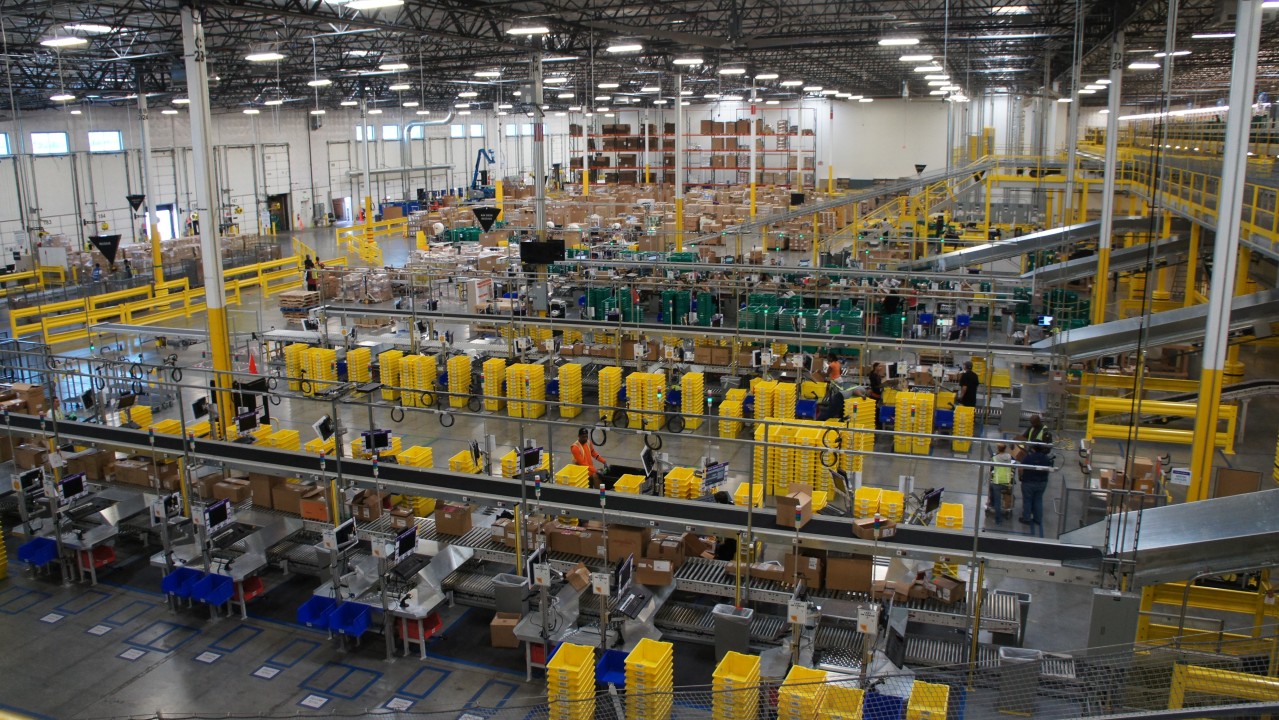
Many factories in Germany are hiring workers in automotive manufacturing, food processing, packaging, electronics, pharmaceuticals, logistics, machine operation, metal production, and quality control. Some employers may provide visa sponsorship, relocation assistance, accommodation support, health insurance registration, work permit guidance, and employment contract support for eligible international applicants.
Germany’s official “Make it in Germany” portal explains that the Skilled Immigration Act makes it easier for skilled workers with vocational training and people with practical professional knowledge to move to Germany for work.
Quick Job Overview
| Category | Details |
|---|---|
| Job Title | Factory Worker / Production Worker / Machine Operator |
| Country | Germany |
| Monthly Salary | €2,300 – €4,500 |
| Hourly Pay | Around €13.90 – €22+ |
| Visa Type | German Work Visa / Skilled Worker Route where eligible |
| Sponsorship | Available from some employers |
| Education | High school, vocational training, or relevant experience |
| Experience | Entry-level to experienced |
| Benefits | Health insurance, accident insurance, pension, paid leave |
| Industries | Automotive, food, packaging, electronics, pharma, logistics |
| Language | Basic German or English may help |
| Contract Type | Full-time, shift work, temporary, or permanent |
Why Factory Workers Are Needed in Germany
Germany is known for its powerful manufacturing sector. The country produces vehicles, machines, electronics, medicines, industrial tools, food products, packaging materials, and export goods used across the world. Because of labor shortages, an aging workforce, and growing demand in production industries, many German employers continue to search for reliable workers.
Factory jobs are important because they support Germany’s supply chain, export economy, and industrial production. Workers are needed in different areas such as assembly, packaging, inspection, loading, machine operation, cleaning, sorting, and quality control.
Common job areas include:
- Automotive production
- Food and beverage processing
- Packaging and labeling
- Warehouse and logistics
- Electronics assembly
- Pharmaceutical production
- Metal fabrication
- Plastic manufacturing
- Furniture production
- Textile and garment production
- Industrial machine operation
- Quality assurance and inspection
Factory Worker Salary in Germany
Factory worker salaries in Germany depend on the employer, city, experience, industry, working hours, and shift type. Salary data for production workers in Germany is often around €34,000 per year, with many workers earning more through overtime, night shifts, and specialized duties.
Estimated Salary Table
| Job Role | Monthly Salary | Annual Salary |
|---|---|---|
| Entry-Level Factory Worker | €2,300 – €2,700 | €27,600 – €32,400 |
| Packaging Worker | €2,300 – €2,900 | €27,600 – €34,800 |
| Food Production Worker | €2,400 – €3,000 | €28,800 – €36,000 |
| Warehouse Operative | €2,400 – €3,200 | €28,800 – €38,400 |
| Assembly Line Worker | €2,500 – €3,300 | €30,000 – €39,600 |
| Machine Operator | €2,800 – €4,000 | €33,600 – €48,000 |
| Quality Control Assistant | €2,700 – €3,800 | €32,400 – €45,600 |
| Automotive Factory Worker | €3,000 – €4,500 | €36,000 – €54,000 |
Salary Graphic
Basic Factory Worker
██████████ €2,300 – €2,700
Experienced Production Worker
██████████████ €2,800 – €3,500
Machine Operator
██████████████████ €3,500 – €4,000
Automotive / Specialized Factory Role
████████████████████ €4,000 – €4,500+
Visa Sponsorship for Factory Workers in Germany
Visa sponsorship means an employer is willing to support your legal work process by offering a valid job contract and required employment documents. It does not always mean the employer pays for everything. Some employers may pay for relocation, while others only provide the job offer and work contract.
Visa sponsorship may include:
- Job offer letter
- Employment contract
- Work visa documentation
- Work permit support
- Residence permit guidance
- Accommodation assistance
- Airport pickup in some cases
- Health insurance registration support
- Onboarding and training
- Relocation advice
Applicants should confirm all benefits directly with the employer before accepting an offer.
Important Visa Note
Germany does not give factory jobs automatically. You must meet the employer’s job requirements and immigration requirements. A valid job offer, legal employment contract, recognized skills where required, and proper visa documentation are very important.
The official German government portal warns that “Make it in Germany” and the official hotline do not charge fees for information services, and the official visa fee is generally paid directly to the German mission abroad.
Main Benefits of Factory Jobs in Germany
Factory workers in Germany may receive strong employment benefits. These benefits make the job more valuable than the basic salary alone.
| Benefit | What It Means |
|---|---|
| Health Insurance | Medical coverage through German health insurance system |
| Accident Insurance | Protection for workplace accidents |
| Pension Contributions | Retirement savings through social security |
| Paid Annual Leave | Paid holiday days every year |
| Paid Sick Leave | Income protection when medically unfit to work |
| Overtime Pay | Extra pay for additional working hours |
| Night Shift Bonus | Higher pay for night duty |
| Weekend Allowance | Extra pay in some industries |
| Accommodation Support | Some employers help with housing |
| Training | Factory safety and machine training |
| Legal Employment Contract | Written contract with terms and salary |
| Workers’ Rights | Protection under German labor law |
High-Demand Factory Jobs in Germany
1. Production Worker
Production workers help with manufacturing, sorting, assembling, cleaning, checking, and preparing products for distribution. This is one of the most common entry-level factory jobs.
Duties may include:
- Operating basic production equipment
- Packing finished products
- Checking product quality
- Labeling items
- Keeping the production area clean
- Following safety rules
- Reporting defects to supervisors
2. Packaging Worker
Packaging workers prepare goods for shipping and sale. This role is common in food factories, pharmaceutical companies, warehouses, and consumer goods industries.
Duties may include:
- Wrapping products
- Labeling cartons
- Sealing packages
- Checking expiry dates
- Arranging goods on pallets
- Preparing shipment documents
- Maintaining hygiene standards
3. Machine Operator
Machine operators work with production machines. This role may pay higher than basic factory work because it may require technical experience.
Duties may include:
- Setting up machines
- Monitoring production speed
- Checking machine output
- Reporting faults
- Cleaning equipment
- Following safety procedures
- Recording production data
4. Warehouse Operative
Warehouse workers support storage, loading, inventory, and dispatch. This is a good option for people with logistics experience.
Duties may include:
- Loading and unloading goods
- Sorting inventory
- Scanning products
- Preparing deliveries
- Using pallet trucks
- Keeping stock records
- Supporting logistics teams
5. Quality Control Assistant
Quality control workers inspect products before shipping. They help ensure that factory products meet company standards.
Duties may include:
- Checking product appearance
- Identifying damaged items
- Testing samples
- Recording inspection results
- Reporting production errors
- Supporting quality assurance teams
- Following compliance rules
Best German Industries for Factory Workers
| Industry | Job Examples | Salary Potential |
|---|---|---|
| Automotive | Assembly, parts production, inspection | High |
| Food Processing | Packaging, production, hygiene control | Medium |
| Pharmaceuticals | Packaging, quality checks, production support | High |
| Electronics | Assembly, testing, machine support | Medium–High |
| Logistics | Warehouse, loading, dispatch | Medium |
| Metal Work | Welding support, cutting, fabrication | High |
| Plastics | Molding, trimming, packaging | Medium |
| Consumer Goods | Packing, sorting, labeling | Medium |
| Machinery | Machine operation, maintenance support | High |
Requirements for Factory Worker Jobs
Most factory jobs do not require a university degree. However, employers want applicants who are reliable, healthy, disciplined, and ready to work.
General requirements include:
- Valid international passport
- Good physical fitness
- Basic education
- Basic English or German communication
- Previous factory or warehouse experience
- Ability to work shifts
- Ability to stand for long hours
- Clean criminal record where required
- Willingness to follow safety rules
- Valid employment documents
For skilled roles, vocational training or recognized qualifications may be required.
Documents Needed for Application
| Document | Purpose |
|---|---|
| CV/Resume | Shows your work experience |
| Passport | Required for visa processing |
| Job Application Letter | Introduces you to employer |
| Certificates | Shows education or training |
| Work Experience Letter | Proves previous employment |
| Police Clearance | May be requested |
| Medical Report | May be requested for some roles |
| Passport Photograph | Used for application records |
| Visa Application Form | Required after job offer |
| Employment Contract | Needed for work visa |
Sample Job Application Form
Factory Worker Job Application Form
Full Name: _______________________________
Email Address: ____________________________
Phone Number: ____________________________
Nationality: ______________________________
Current Country of Residence: ______________
Passport Available: Yes / No
Position Applying For: _____________________
Years of Experience: _______________________
Preferred Industry: ________________________
Can You Work Night Shifts? Yes / No
Do You Need Visa Sponsorship? Yes / No
Do You Need Accommodation Support? Yes / No
Available Start Date: ______________________
Highest Education Level: ___________________
Previous Factory Experience: _______________
Languages Spoken: ________________________
Emergency Contact: _______________________
Signature: ________________________________
Date: ____________________________________
Sample CV Summary for Factory Worker
Motivated and hardworking factory worker with experience in production support, packaging, warehouse operations, quality checking, and workplace safety. Physically fit, reliable, and able to work in fast-paced environments. Ready to follow company procedures, support production targets, work shifts, and contribute to efficient factory operations in Germany.
Sample Cover Letter
Dear Hiring Manager,
I am writing to apply for the position of Factory Worker in your company. I have experience in production support, packaging, sorting, quality control, and warehouse duties. I am hardworking, physically fit, reliable, and willing to work day shifts, night shifts, weekends, and overtime when required.
I am interested in working in Germany because of the country’s strong manufacturing sector, professional work environment, and career development opportunities. I am also interested in positions with visa sponsorship, health insurance, accommodation support, and long-term employment possibilities.
I am ready to follow safety instructions, learn new skills, support production goals, and work effectively with supervisors and team members.
Thank you for considering my application.
Sincerely,
[Your Name]
Work Schedule in German Factories
Factory workers often work in shifts because many production companies operate day and night.
Common shift types include:
| Shift Type | Typical Time |
|---|---|
| Morning Shift | 6:00 AM – 2:00 PM |
| Afternoon Shift | 2:00 PM – 10:00 PM |
| Night Shift | 10:00 PM – 6:00 AM |
| Weekend Shift | Saturday or Sunday duty |
| Rotating Shift | Changing schedule weekly |
Night shifts and overtime may attract extra payment depending on the employment contract and industry agreement.
Cost of Living in Germany
Before accepting a job, applicants should understand living expenses. Salary may look high, but rent, food, transport, insurance, and taxes must be considered.
| Expense | Monthly Estimate |
|---|---|
| Shared Accommodation | €350 – €700 |
| Private Apartment | €700 – €1,300 |
| Food | €250 – €450 |
| Transport | €50 – €120 |
| Phone/Internet | €25 – €60 |
| Utilities | €100 – €250 |
| Personal Expenses | €100 – €300 |
Workers in smaller towns may spend less on rent than workers in big cities like Munich, Frankfurt, Hamburg, or Berlin.
Cities with Factory Job Opportunities
Factory and warehouse jobs can be found across Germany. Some strong industrial locations include:
- Berlin
- Hamburg
- Munich
- Stuttgart
- Frankfurt
- Cologne
- Leipzig
- Dortmund
- Bremen
- Düsseldorf
- Wolfsburg
- Nuremberg
- Hanover
- Essen
- Mannheim
Automotive jobs are common in regions with vehicle manufacturing plants. Logistics and warehouse jobs are common near ports, airports, and major distribution centers.
Insurance Benefits for Factory Workers
Insurance is one of the most important benefits of working legally in Germany. Workers are usually covered by the German social security system.
Important insurance keywords include:
- Health insurance
- Accident insurance
- Disability insurance
- Liability insurance
- Life insurance
- Workers’ compensation insurance
- Pension insurance
- Unemployment insurance
- Employment protection insurance
- Legal insurance
Health insurance is especially important because it helps workers access medical care, hospital treatment, prescriptions, and doctor visits.
Legal Advice and Attorney Support
Foreign workers should carefully read their employment contracts before signing. If a contract is unclear, it may be helpful to speak with an immigration attorney, employment attorney, or licensed legal advisor.
Important legal areas include:
- Work visa requirements
- Employment contract review
- Salary and overtime rights
- Health insurance registration
- Accommodation agreement
- Termination rules
- Workers’ compensation claims
- Residence permit renewal
- Family reunification
- Permanent residence application
Avoid agents who promise guaranteed jobs or guaranteed visas. No honest employer or attorney can guarantee visa approval before proper document review.
Red Flags to Avoid
Be careful if someone:
- Promises guaranteed Germany visa approval
- Asks for large upfront fees without proof
- Refuses to show company registration
- Sends fake offer letters
- Uses a personal email instead of company email
- Avoids video interviews
- Requests payment through suspicious channels
- Says no documents are needed
- Claims you can travel without a visa
- Tells you to lie on your application
Always verify employers, contracts, and visa information through official channels.
How to Apply for Factory Jobs in Germany
Step 1: Prepare Your CV
Your CV should include your full name, contact details, work experience, education, skills, passport status, language skills, and factory experience.
Step 2: Search for Verified Jobs
Look for factory jobs from verified employers, official job portals, recruitment agencies, and company career pages.
Step 3: Apply with Complete Documents
Submit your CV, cover letter, passport copy if requested, certificates, and experience letters.
Step 4: Attend Interview
The employer may interview you online. Be ready to explain your work experience, availability, health condition, and willingness to work shifts.
Step 5: Receive Job Offer
If selected, the employer may issue a contract. Read the contract carefully.
Step 6: Confirm Visa Sponsorship
Ask whether the employer supports work visa processing and what documents they will provide.
Step 7: Apply for Work Visa
Submit your visa application through the German embassy or official visa center in your country.
Step 8: Travel and Start Work
After visa approval, arrange travel, accommodation, insurance registration, and workplace onboarding.
Application Checklist
| Checklist Item | Status |
|---|---|
| Valid passport | ☐ |
| Updated CV | ☐ |
| Cover letter | ☐ |
| Factory experience letter | ☐ |
| Education certificates | ☐ |
| Police clearance | ☐ |
| Medical fitness document | ☐ |
| Job offer letter | ☐ |
| Employment contract | ☐ |
| Visa appointment | ☐ |
| Health insurance information | ☐ |
| Accommodation plan | ☐ |
Skills That Improve Your Chances
Employers prefer workers who can show:
- Reliability
- Time management
- Physical fitness
- Teamwork
- Basic German phrases
- Safety awareness
- Machine operation knowledge
- Packaging experience
- Warehouse experience
- Quality control skills
- Cleaning and hygiene awareness
- Ability to follow instructions
- Good attendance record
- Willingness to work overtime
- Flexibility with location
Basic German Words for Factory Workers
| English | German |
|---|---|
| Work | Arbeit |
| Factory | Fabrik |
| Shift | Schicht |
| Safety | Sicherheit |
| Machine | Maschine |
| Product | Produkt |
| Warehouse | Lager |
| Supervisor | Vorgesetzter |
| Contract | Vertrag |
| Salary | Gehalt |
| Insurance | Versicherung |
| Health insurance | Krankenversicherung |
Learning simple German can make your application stronger.
Permanent Residence Pathway
Factory workers who live and work legally in Germany may later qualify for long-term residence or permanent residence if they meet the requirements. This may include continuous legal residence, stable income, health insurance, pension contributions, German language skills, and compliance with immigration law.
Possible long-term benefits include:
- Residence permit renewal
- Family reunification
- Permanent residence
- Better job opportunities
- Career progression
- Vocational training opportunities
- Long-term financial stability
Frequently Asked Questions
Can foreigners get factory jobs in Germany?
Yes. Foreigners can apply for factory jobs in Germany, especially where employers are open to international recruitment and visa sponsorship.
How much can factory workers earn in Germany?
Factory workers may earn around €2,300 to €4,500 per month depending on the job role, industry, experience, overtime, and location.
Do factory jobs in Germany offer visa sponsorship?
Some employers offer visa sponsorship or work permit support, but not all. Applicants should confirm before applying.
Do I need German language skills?
Basic German is helpful. Some employers may accept English-speaking workers, but German improves your chances.
Is health insurance included?
Legal workers in Germany are usually registered under the health insurance and social security system.
Can I apply without experience?
Yes, some entry-level factory jobs accept applicants without experience, but having packaging, warehouse, production, or machine operation experience improves your chances.
Can I travel with my family?
Family reunification may be possible later depending on your residence permit, income, housing, and immigration status.
Should I pay an agent?
Be careful. Only work with verified recruiters, licensed agencies, employers, or qualified immigration attorneys. Avoid anyone promising guaranteed visa approval.
Conclusion
Factory worker jobs in Germany are a strong opportunity for international applicants who want stable employment, legal work status, visa sponsorship possibilities, health insurance, pension benefits, paid leave, and long-term career growth.
With monthly salaries ranging from €2,300 to €4,500, Germany remains one of the best European destinations for factory workers, production assistants, machine operators, warehouse operatives, packaging workers, and quality control staff.
Applicants should prepare a professional CV, learn basic German, apply only through verified employers, review contracts carefully, and seek legal advice from an employment attorney or immigration attorney when necessary.
Germany’s manufacturing sector continues to offer real opportunities, but success depends on proper preparation, correct documents, genuine job offers, and compliance with visa rules.


 agency



